
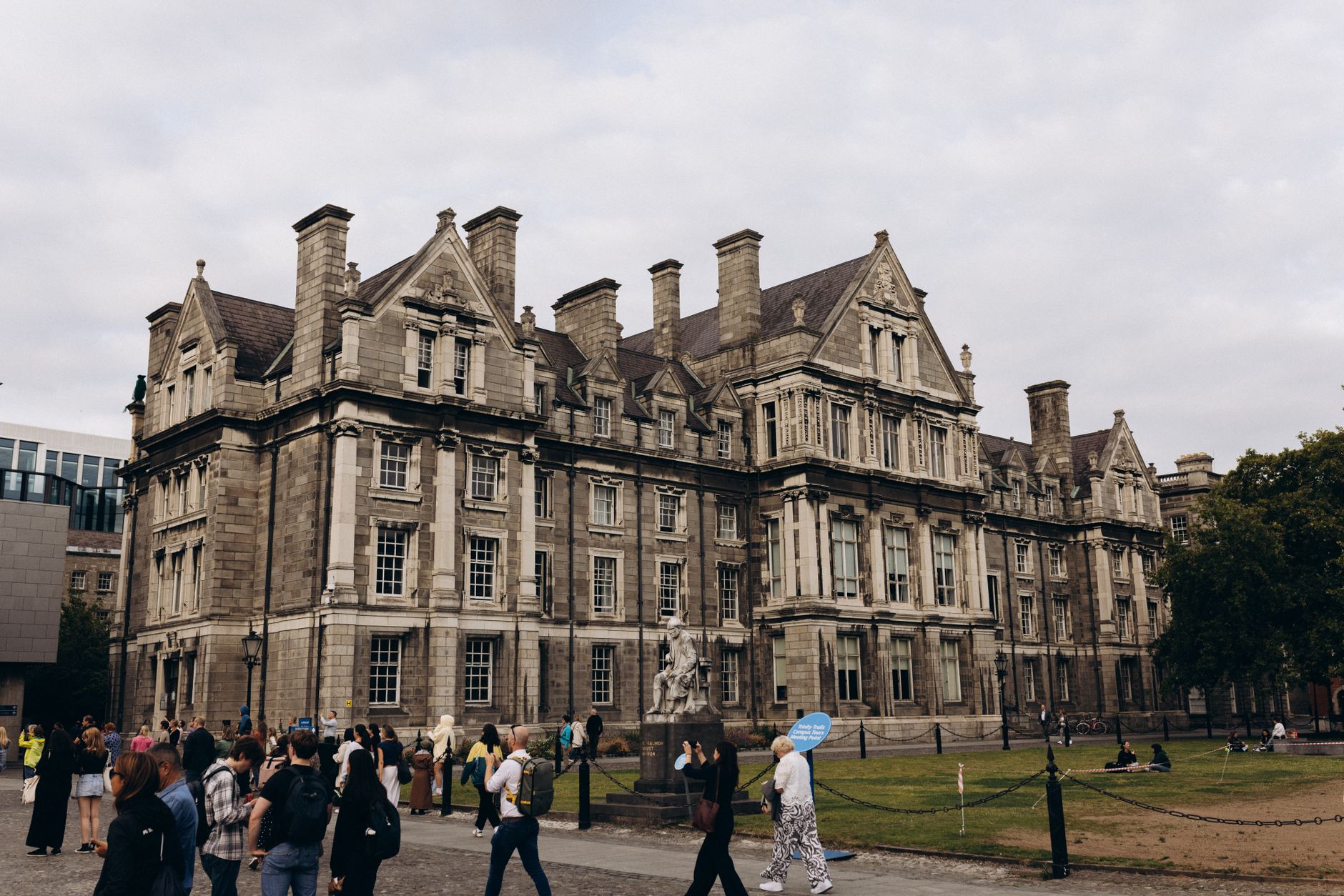
Ireland student visa rejection is a growing concern, with 64% of Indian students facing denials due to AI-generated issues. This trend raises questions about the future of education abroad.
Understanding the Visa Rejection Rates
The recent surge in visa rejection rates for Indian students aspiring to study in Ireland has raised significant concerns. According to reports, approximately 64% of Indian applicants have faced rejection in their quest for an Ireland student visa. This alarming statistic has sparked discussions about the underlying reasons behind such a high denial rate.
Several factors contribute to these rejections, including:
- Lack of documentation: Many applicants fail to provide sufficient supporting documents, which are crucial for visa approval.
- Financial stability: Visa officers often scrutinize the financial backgrounds of applicants. A lack of proof demonstrating the ability to fund education and living expenses can lead to denials.
- Academic credentials: Applicants must present strong academic records. Inadequate qualifications or discrepancies in previous education can trigger a rejection.
- Application errors: Simple mistakes in the application form can result in automatic denials, underscoring the importance of careful preparation.
As the situation evolves, Indian students must remain vigilant and well-informed about the requirements to mitigate the risks of Ireland student visa rejection.
Impact on Indian Students
The recent surge in Ireland student visa rejection rates has left many Indian applicants feeling disheartened and uncertain about their future. With 64% of Indian students reportedly denied visas, the implications of this trend are significant and wide-reaching.
Firstly, the emotional toll on students is profound. Many have invested considerable time, effort, and finances in their education and dreams of studying abroad. The rejection not only disrupts their plans but also impacts their mental well-being.
Secondly, this situation could lead to a decrease in the number of Indian students applying for courses in Ireland. As news of visa rejections spreads, potential applicants may seek alternatives in other countries, which could harm Ireland’s reputation as a preferred educational destination.
Moreover, universities in Ireland might experience a decline in diversity within their student bodies, which is often enriched by international students. A reduction in Indian applicants could lead to a less vibrant academic environment, affecting cultural exchange and collaboration.
In conclusion, the rising rates of Ireland student visa rejection pose challenges not only for individual students but also for the broader academic landscape in Ireland.
Reasons Behind Visa Denials
The recent surge in Ireland student visa rejection rates has raised significant concerns among Indian applicants. Several factors contribute to these denials, making it crucial for prospective students to understand the underlying reasons.
- Incomplete Documentation: Many applicants fail to provide all necessary documents, such as proof of sufficient funds or valid acceptance letters from recognized institutions.
- Insufficient Financial Evidence: Visa officers often require clear evidence that students can support themselves financially during their stay. Inadequate proof can lead to rejection.
- Concerns Over Intent: Immigration officials assess whether applicants intend to return to their home country after their studies. Any doubts regarding this can result in a visa denial.
- Academic Credentials: Mismatch between the applicant’s previous educational qualifications and the chosen course can raise red flags for visa assessors.
- Increased Scrutiny: Following reports of misuse of student visas, authorities have heightened scrutiny, leading to more stringent evaluations of applications.
Understanding these reasons can help future applicants prepare their submissions more effectively and improve their chances of securing a visa.
Alternatives for Studying Abroad
With the rising number of Ireland student visa rejections, many Indian applicants are exploring alternative options to pursue their education abroad. Fortunately, several countries offer promising academic environments and more lenient visa policies. Here are some alternatives:
- Canada: Known for its high-quality education system and welcoming immigration policies, Canada is becoming a top choice for Indian students. Many institutions offer programs that lead to work permits after graduation.
- Australia: With a diverse range of universities and courses, Australia appeals to international students. The country also provides opportunities for post-study work, making it an attractive option.
- New Zealand: As a friendly and safe destination, New Zealand offers various programs for international students, along with pathways to residency after study.
- United Kingdom: Despite recent visa challenges, the UK remains a popular choice, especially with its rich academic tradition and the introduction of a Graduate Route for international students.
By considering these alternatives, aspiring students can continue their educational journeys without being deterred by the challenges posed by Ireland student visa rejection.
Advice for Future Applicants
As the statistics surrounding the Ireland student visa rejection rates continue to affect many Indian applicants, it is crucial to approach future applications with diligence and preparation. Here are some essential tips for prospective students:
- Research Thoroughly: Understand the specific requirements for the visa, including documentation, financial proof, and language proficiency.
- Seek Guidance: Consult with educational consultants or legal advisors who specialize in Ireland student visas to ensure that your application meets all requirements.
- Prepare Financial Evidence: Demonstrating sufficient funds can significantly impact your application’s success. Ensure you have clear and credible financial documents.
- Review Application Details: Double-check all forms for accuracy and completeness before submission. Small mistakes can lead to outright rejections.
- Consider Alternative Options: If your initial application is denied, explore other countries or programs that may offer more favorable visa policies.
By taking a proactive approach and addressing potential pitfalls, future applicants can improve their chances of obtaining an Ireland student visa and pursuing their educational dreams.
The Role of AI in Visa Processing
The increasing reliance on artificial intelligence (AI) in the visa processing system has raised concerns among prospective students. In recent months, there have been reports that the Ireland student visa rejection rates, particularly for Indian applicants, have surged significantly due to algorithm-driven assessments.
Many applicants have found themselves facing denials, even after securing admission to reputable universities. The AI systems employed in processing applications often analyze data patterns and may overlook individual circumstances that require human judgment. This has led to a situation where deserving students are unjustly rejected based on criteria that may not fully reflect their qualifications or intentions.
Some key factors contributing to the challenges posed by AI in visa processing include:
- Lack of Personalization: AI systems may not adequately assess personal statements or unique experiences.
- Data Bias: Algorithms can reflect biases present in historical data, affecting the fairness of decisions.
- Transparency Issues: Applicants often receive little information about why their visas were denied.
As students face these challenges, it is crucial for them to remain informed about the evolving landscape of immigration technology.
Recent Changes in Admission Policies
In recent months, significant changes in admission policies have surfaced, impacting Indian students aspiring to study in Ireland. The Ireland student visa rejection rates have sparked concern among applicants, with many facing unexpected denials despite securing university placements.
Several universities have begun to tighten their admission criteria, focusing more on academic performance and relevant experience. This shift aims to ensure that students meet specific standards before being considered for admission. However, these changes have inadvertently led to a higher number of visa rejections.
Additionally, the introduction of AI-generated assessments in the visa application process has raised eyebrows. While intended to streamline evaluations, this technology has reportedly resulted in inconsistencies, leaving many applicants bewildered by the outcomes of their applications.
Furthermore, the increase in the number of applicants from India has compounded the issue. With more students vying for limited spots, the scrutiny on applications has intensified, leading to a greater likelihood of receiving an Ireland student visa rejection.
As these policies evolve, prospective students are urged to remain informed and prepared to navigate the complexities of the current system.
Student Experiences and Testimonials
Many Indian students have shared their distressing experiences regarding the Ireland student visa rejection. One student, Priya Sharma, expressed her disbelief when she received her rejection letter just days before her course was set to begin. “I had prepared for this opportunity for years. The rejection felt like a dream shattered,” she said.
Another applicant, Rajiv Kumar, highlighted the emotional toll of the situation. “I was cleared for admission, but the visa rejection has left me in limbo. I feel like my future is uncertain,” he noted. Many students like Rajiv are now re-evaluating their plans and considering alternative countries for higher education.
Several testimonials indicate a common theme: applicants are frustrated with the inconsistency and lack of transparency in the visa process. “It’s hard to understand why many of us were denied despite meeting all requirements,” shared Meera Patel, who faced a similar fate.
As students navigate these challenges, they continue to voice their concerns, hoping that their experiences will lead to improvements in the visa application process for future applicants.
The recent surge in Ireland student visa rejections has left many Indian applicants feeling disheartened. As the reasons for Ireland student visa rejection become clearer, prospective students must carefully assess their applications to avoid similar outcomes.
Photo by Jonathan Borba on Pexels