
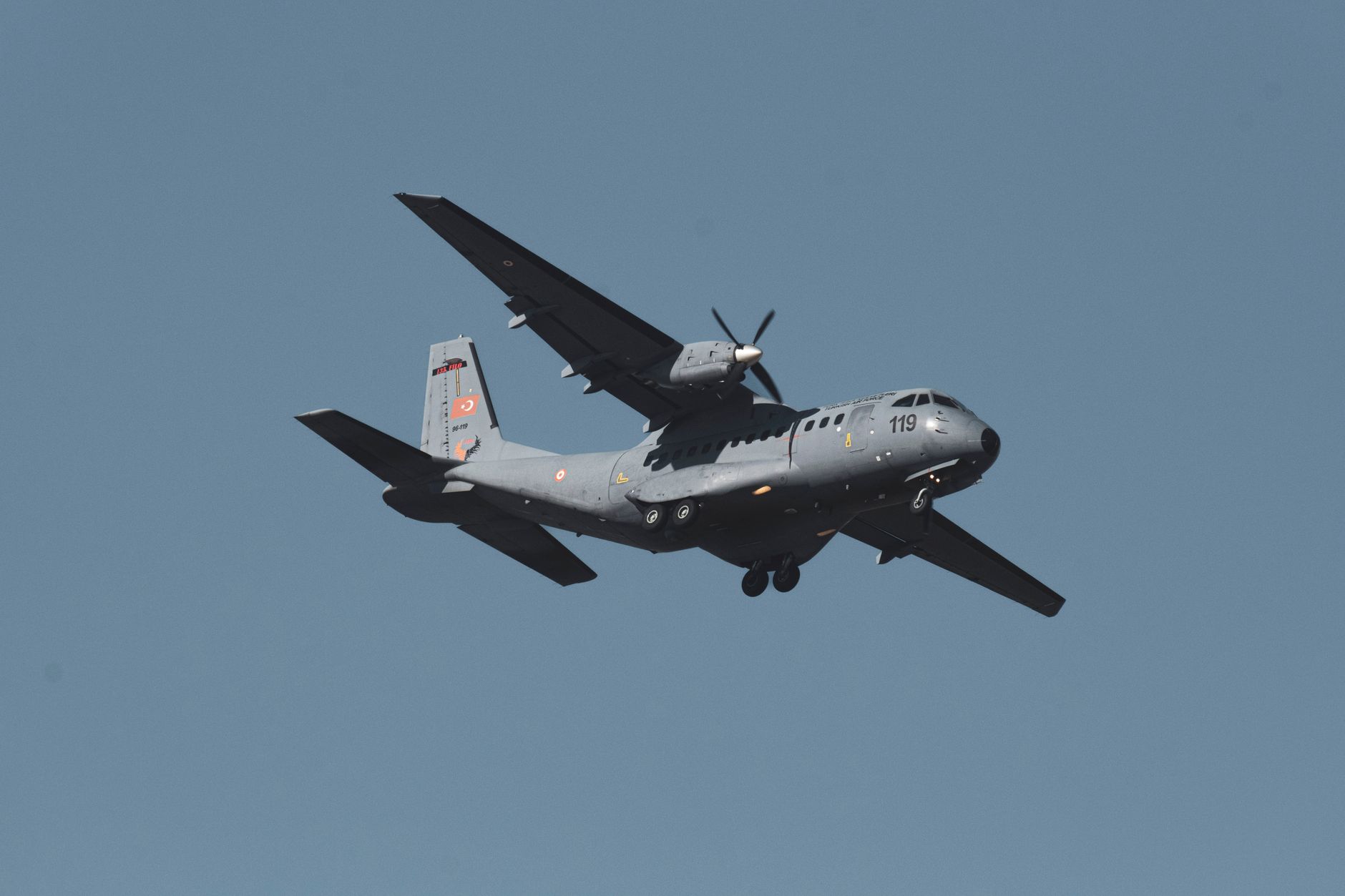
Turkey defense spending is significantly increasing, with a 229% boost planned over the next three years to advance military technology.
Overview of Turkey’s Defense Strategy
Turkey has recently announced a significant increase in its defense spending, aiming for a 229% boost over the next three years as part of a broader technology push. This move is designed to modernize the country’s military capabilities and enhance its position in regional and global security dynamics.
The Turkish government views the investment in defense as a vital component of national growth and stability. This strategy is rooted in several key objectives:
- Self-sufficiency: Turkey seeks to reduce its reliance on foreign defense technologies by developing domestic production capabilities.
- Technological advancement: The focus on high-tech military solutions aims to enhance operational effectiveness and ensure Turkey remains competitive in a rapidly changing geopolitical landscape.
- Regional influence: Increased defense spending is also seen as a means to assert Turkey’s influence in the Middle East and beyond, particularly in light of ongoing conflicts and tensions.
Critics, however, argue that this substantial allocation of resources may divert funds from other critical sectors such as education and healthcare. The debate surrounding Turkey’s defense spending raises important questions about the balance between national security and social welfare.
As the country pushes forward with its ambitious defense strategy, the implications for its economy and international relations will be closely watched by analysts and policymakers alike.
Details of the Planned Increase
The Turkish government has announced a significant increase in its defense spending, with plans to raise the budget by 229% over the next three years. This ambitious move aims to enhance the country’s military capabilities and bolster its domestic defense technology sector.
This increase is part of a broader strategy to support Turkey’s defense industry, which has been growing rapidly in recent years. The government believes that investing in local production will not only ensure self-sufficiency but also strengthen national security.
Key details of this planned increase include:
- Investment in Technology: A substantial portion of the budget will be allocated to research and development in advanced military technologies, including drones, missiles, and cybersecurity.
- Military Modernization: The funding will support the modernization of existing military equipment, ensuring that Turkish forces remain competitive in a rapidly evolving geopolitical landscape.
- Job Creation: The initiative is expected to create thousands of jobs in the defense sector, contributing to the overall economic growth of the country.
- International Collaboration: Turkey aims to strengthen partnerships with other nations to enhance its defense capabilities while also seeking opportunities for exports in defense technologies.
With this increase in defense spending, Turkey is positioning itself as a key player in regional security and defense manufacturing, raising questions about its long-term economic implications.
Impact on National Security
The recent announcement regarding Turkey’s defense spending has sparked debates about its implications for national security. As the country plans to increase its military budget significantly, it raises questions about the balance between defense needs and economic growth.
In the context of rising regional tensions, Turkey’s government argues that enhanced defense spending is essential for strengthening its military capabilities. This move is seen not only as a response to external threats but also as a way to assert Turkey’s position as a regional power. The increased budget is expected to fund advanced technology and modernize the armed forces, which could deter potential aggressors.
However, critics of the policy express concerns regarding the opportunity costs associated with such a large increase in defense expenditures. They argue that funds could be better allocated to areas such as education, healthcare, and infrastructure, which are crucial for long-term economic stability and growth.
Moreover, the prioritization of military spending raises ethical questions about the implications for civil liberties and public welfare. Investing heavily in defense while neglecting social programs could lead to increased inequality and unrest among citizens.
As Turkey navigates its strategic objectives, the impact of this defense spending surge will likely be closely monitored, both domestically and internationally. The effectiveness of this approach in enhancing national security while fostering economic growth remains to be seen.
International Reactions to Turkey’s Move
As Turkey announces a significant boost in its defense spending, reactions from the international community have been varied and illuminating. The decision to increase defense spending by 229% over three years has raised eyebrows and sparked discussions among global leaders and analysts.
Many NATO allies have expressed cautious optimism regarding Turkey’s move. Proponents argue that enhanced military capabilities could strengthen regional security and contribute to collective defense initiatives. In light of ongoing tensions in the region, particularly regarding conflicts in Syria and the Eastern Mediterranean, some believe that Turkey’s increased defense spending is a necessary step to ensure national and regional stability.
However, critics warn that such a dramatic increase in military expenditure might divert resources away from essential domestic issues, such as education and healthcare. They argue that focusing too heavily on defense could hinder economic growth and exacerbate social inequalities within the country. Concerns have also been raised about the potential for an arms race in the region, which could lead to increased tensions among neighboring countries.
Furthermore, international relations experts have pointed out the need for Turkey to balance its defense spending with diplomatic efforts. A robust military presence must be complemented by strong alliances and dialogue to foster long-term peace and security. As Turkey moves forward with its plans, the global community will be watching closely to assess the implications of this significant shift in defense policy.
Future of Military Technology in Turkey
As Turkey embarks on a substantial increase in defense spending, the future of military technology in the country is poised for significant transformation. With plans to boost defense spending by 229% over the next three years, Turkey aims to become a self-sufficient military power, reducing its reliance on foreign technology and enhancing its indigenous capabilities.
Central to this strategy is the development of advanced military technologies, which are expected to play a crucial role in modern warfare. The Turkish government has identified several key areas where investment will be focused:
- Unmanned Aerial Vehicles (UAVs): Turkey has already made strides in UAV technology, and further investment could lead to innovations in surveillance and combat capabilities.
- Cyber Defense: As cyber threats continue to grow, bolstering cyber defense mechanisms will be essential to protect national interests.
- Missile Systems: Developing advanced missile systems will enhance deterrence and defense against potential threats.
- Artificial Intelligence: Integrating AI into military operations can improve decision-making and operational efficiency.
The implications of this increased defense spending extend beyond military applications; it has the potential to stimulate growth in the domestic defense industry, creating jobs and fostering innovation. As Turkey navigates this ambitious path, the balance between national security and economic growth will be closely observed by both allies and adversaries alike.
Economic Implications of Increased Spending
The decision to significantly increase Turkey’s defense spending raises important economic implications that extend beyond military preparedness. As the country allocates more resources to its defense sector, it is essential to consider both the potential benefits and drawbacks of such a move.
Proponents argue that enhanced defense spending can stimulate economic growth in several ways:
- Job Creation: Increased investment in the defense industry is likely to create new jobs, both directly in manufacturing and indirectly in associated sectors.
- Technological Advancements: A focus on military technology can lead to innovations that may benefit civilian industries, fostering overall economic development.
- Attracting Foreign Investment: A robust defense sector may attract foreign investments, as international companies look to collaborate with Turkey on defense projects.
However, critics caution that prioritizing defense spending over other critical areas, such as healthcare or education, could strain public resources. They argue that an increase in military expenditures may divert funds from essential services that are crucial for social stability and economic equality.
Ultimately, while Turkey’s defense spending is poised to contribute to growth in certain sectors, it is vital for policymakers to ensure that this strategy does not come at the expense of broader economic needs and social welfare.
As Turkey defense spending continues to rise, it raises questions about the potential impact on the nation’s economic growth. Critics argue that prioritizing Turkey defense spending may divert funds from essential social programs that could benefit the population more directly.
Photo by Necati Ömer Karpuzoğlu on Pexels